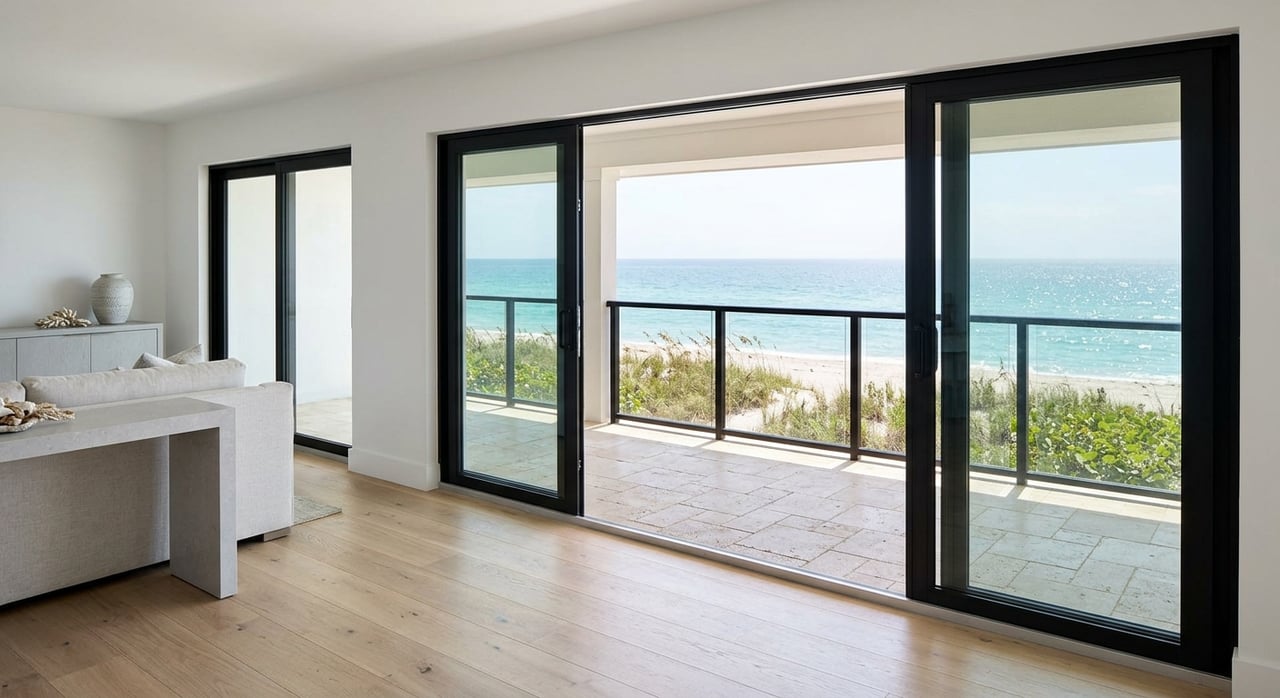
Your Guide to Palm Beach Oceanfront Condo Living
June 4, 2026
June 4, 2026
If you picture Palm Beach oceanfront condo living as endless views and easy beach days, you are not wrong. But there is more to it than a balcony over the Atlantic. If you are considering a condo here, it helps to understand the full lifestyle, from beach access and building amenities to inspections, parking, and coastal upkeep. Let’s dive in.
Palm Beach offers 12 miles of beachfront, which gives oceanfront condo owners access to one of the area’s biggest draws: the shoreline itself. The Town maintains two public beaches, Midtown Municipal Beach and Phipps Ocean Park, and both have lifeguards every day of the year.
There are also additional beach access points from Barton Avenue to Seaspray Avenue and from Sunset Avenue north to Wells Road. Those extra access points do not have lifeguards, which is an important difference if you expect to use the beach often or host visiting family and friends.
That said, oceanfront living here is not just about stepping onto the sand. Palm Beach condo ownership is often a blend of scenic views, shared amenities, and a more managed lifestyle than you would have in a single-family home.
Many buyers are drawn to oceanfront condos because they trade yard work and exterior upkeep for direct beach access, Atlantic views, and easier day-to-day maintenance. For part-time residents and empty-nesters, that can be a very appealing shift.
Palm Beach also works well as a second-home base. The Town is near Palm Beach International Airport, and West Palm Beach offers access to Brightline and Tri-Rail. Fort Lauderdale and Miami airports are also within reach, which adds flexibility for seasonal owners, frequent travelers, and out-of-town guests.
Another lifestyle advantage is convenience beyond the beach. Areas around Worth Avenue and Royal Poinciana Plaza, along with the Lake Trail, Town Marina, tennis centers, and the Par 3 Golf Course, support a walkable and activity-focused way of living.
Oceanfront condo living in Palm Beach is often more compact and service-oriented than life in a detached coastal home. Instead of maintaining a private yard or managing exterior repairs yourself, you are relying more on your building and association.
For many buyers, that is a benefit. It can make the property easier to lock and leave, especially if you split your time between Palm Beach and another home.
Still, there are practical details that shape daily life. Bridge openings are scheduled and can affect travel timing on and off the island. That matters if you commute, coordinate deliveries, or regularly have guests and service providers coming to the property.
Many Palm Beach oceanfront buildings are designed around convenience. Buildings such as The Claridges and The Atriums highlight features like staffed entries or full-service operation, direct or private beach access, heated or oceanfront pools, fitness centers, saunas, cabanas, and on-site parking.
The larger point is that you are often buying more than the unit itself. You are also buying into the building’s shared spaces, staffing level, and operating style.
That can have a real impact on your experience as an owner. A well-run building with strong amenities may support an easier, more comfortable lifestyle, especially if you want low-maintenance coastal living.
In Palm Beach, parking is not a small detail. The Town uses a permit-based system that includes resident parking, Townwide ParkMobile permits, and visitor hangtags for some eligible addresses.
Because of that, garage parking and guest parking can carry extra value in a condo building. If you expect frequent visitors or want simple day-to-day convenience, parking should be part of your early search criteria, not an afterthought.
This is one of those details that can strongly affect how practical a property feels once you own it. A beautiful unit with limited parking may function very differently from one with secure resident parking and room for guests.
One of the biggest draws of an oceanfront condo is beach access. In practice, some buildings market private or deeded access, while the Town also maintains public beaches and public access points.
It is also important to know that the shoreline is actively managed. The Town’s coastal-protection updates note that erosion and renourishment work can temporarily close access points.
That means beach life in Palm Beach is not static. As an owner, you are living in a coastal environment where shoreline management is part of normal life.
Palm Beach oceanfront condos often appeal to seasonal residents because they are generally easier to secure when you are away. Compared with a single-family home, there is usually less direct responsibility for exterior maintenance and common-area upkeep.
The tradeoff is that association rules and fees matter more. Owners depend on the association for building maintenance, common-area insurance, and reserve planning, so the quality of management becomes part of the ownership experience.
For year-round residents, condos can still be a strong fit if you want a simpler coastal lifestyle with amenities close at hand. For seasonal buyers, they may offer an especially practical mix of access, convenience, and lower hands-on maintenance.
In Florida, the condition of the building matters just as much as the unit itself. For buildings that are three habitable stories or more, milestone inspections are required at 30 years of age and every 10 years after that, and local officials may require earlier inspections in salt-water environments.
Palm Beach buyers should pay close attention to this because many oceanfront buildings are older. The Town’s building department notes that phase-one milestone inspections must be completed within 180 days of notice, and if a phase-two inspection is needed, substantial repairs must begin within 365 days of that report.
This does not mean older buildings should be avoided. It does mean you should review the building’s condition, repair history, and inspection status carefully before you buy.
Florida also requires many residential condominium associations to complete a structural integrity reserve study, often called a SIRS, at least every 10 years for buildings three habitable stories or higher. That study covers major components such as the roof, structure, fire protection, plumbing, electrical systems, waterproofing and exterior painting, and windows and exterior doors.
For buyers, this is important because reserve strength can directly affect future costs. If reserves are low or large repairs are needed, special assessments may be more likely.
That is why an oceanfront condo search should go beyond finishes and views. You also want to understand how the building plans for long-term maintenance and capital expenses.
Compared with a single-family purchase, buying a condo in Florida usually involves more document review. Buyers are entitled to receive key records such as the declaration, articles, bylaws and rules, annual financials, budget, and, when applicable, a milestone inspection summary and the most recent SIRS or a statement that one has not been completed.
In practical terms, this means your due diligence should focus on more than the floor plan. You want clarity on the association’s financial health, reserve funding, assessment history, and the condition of major building systems.
For Palm Beach oceanfront condos, these details can be as important as the view. A beautiful location is only part of the ownership picture.
Coastal ownership also comes with insurance questions. Florida guidance notes that standard homeowners insurance does not cover flooding, so flood coverage is separate.
The Town also notes that Palm Beach is an NFIP Class 6 community, which gives qualifying policyholders a 20% discount on NFIP flood insurance. That can be helpful, but it does not replace the need to review flood maps, coverage details, and property-specific insurance needs carefully.
If you are comparing buildings, this is another area where informed guidance matters. The monthly condo fee is not the only recurring cost you should budget for.
When you tour oceanfront condos in Palm Beach, it helps to ask focused questions early. A few of the most useful include:
These questions can give you a clearer picture of both lifestyle fit and financial risk.
Palm Beach oceanfront condos can be an excellent fit if you want a polished, lower-maintenance coastal lifestyle. But the right fit often depends on details that are easy to miss online, such as parking practicality, building operations, document strength, and how the property works for your schedule.
That is where local, hands-on guidance can make a difference. When you understand both the lifestyle side and the building side, you can make a more confident decision and avoid surprises later.
If you are exploring oceanfront condos in Palm Beach and want practical insight into buildings, lifestyle tradeoffs, and what to look for during your search, connect with Vicky McKeown for a personalized conversation.
Stay up to date on the latest real estate trends.


Vicky’s unique combination of skills empowers her clients to utilize her expertise in both the listing and sale of their homes.