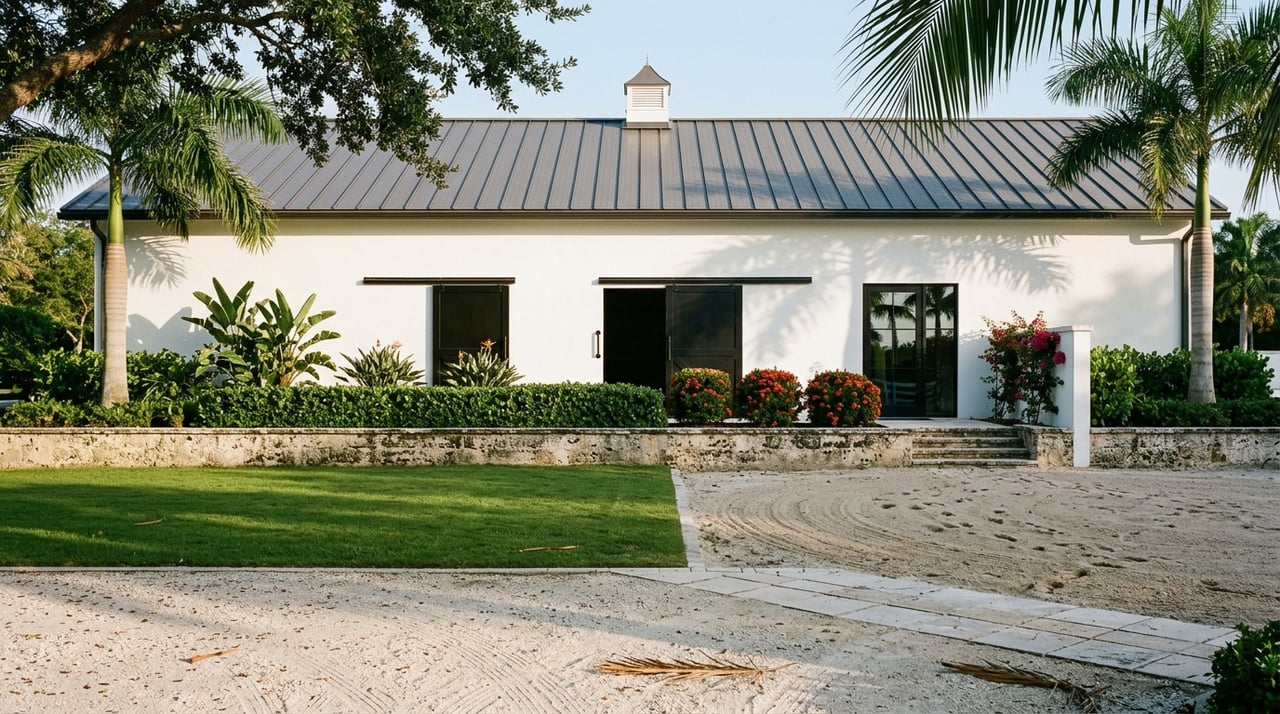
Inside The Equestrian Lifestyle In Jupiter
July 23, 2026
July 23, 2026
Looking for a horse-friendly lifestyle without giving up Palm Beach County convenience? Jupiter offers a unique middle ground. You can find acreage-oriented living, public riding access, and a rural feel that is closely tied to land preservation and trail use. If you are wondering what equestrian life here really looks like, this guide will help you understand the land, routines, and property factors that matter most. Let’s dive in.
Jupiter’s equestrian identity is centered less on a large formal horse district and more on practical access to land, trails, and rider-friendly infrastructure. Much of that lifestyle connects back to Jupiter Farms Park Equestrian Facility and nearby county trail systems.
At Jupiter Farms Park, riders have access to sand and grass arenas, a warm-up arena, horse trailer parking, and sunrise-to-sunset use. That setup supports both regular schooling and casual riding days, while county rules also shape how the facility is used.
The broader Jupiter Farms planning vision reinforces this lifestyle. The neighborhood plan calls for preserving rural character, maintaining low-density road patterns, promoting non-vehicular pathways, and even considering horse hitching and watering features at non-residential sites. In simple terms, horse life in Jupiter is woven into the area’s land-use pattern.
If you picture equestrian life as daily time in the saddle, location matters. In Jupiter, riding is closely linked to public trailheads and designated horse-access areas rather than a concentrated show circuit.
Nearby riding options connect Jupiter horse owners to Riverbend Park, Cypress Creek, Bluegill, Pântano, and the Jones/Hungryland back-country trail system. This gives riders a mix of arena work, trail riding, and access to natural areas throughout this part of Palm Beach County.
Riverbend Park offers nearly 7 miles of equestrian trails. Bluegill Trail includes a 5-mile horse-friendly route with a swale for equestrian use and a water pump for horses. Cypress Creek also includes a trailhead with horse trailer parking, which is an important practical feature for owners who haul out regularly.
Equestrian living in Jupiter tends to be hands-on and routine-driven. Horse care is only one part of the picture. Many owners also plan around hauling, trail access, safety rules, and weather.
At Jupiter Farms Park, riders must provide proof of a current negative Coggins test. Horses must stay attended, and riders need to remain in designated riding areas. Riders age 16 and under must wear helmets and be accompanied by an adult, which highlights the structured safety standards tied to public equestrian use.
South Florida’s climate also shapes the rhythm of the day. West Palm Beach climate normals show average highs around 90°F in July and 89.9°F in August. That helps explain why many riding routines naturally shift toward cooler morning or later-day hours.
For many owners, a typical week may include:
If you are shopping for an equestrian property in Jupiter, the search usually starts with the land itself. Usable acreage is often the first priority because it affects turnout, barn placement, trailer movement, and day-to-day function.
In practical terms, buyers often look for room for stalls or a barn, enough space for horse circulation, and separation from neighboring structures. Public amenities and planning guidance in Jupiter also point to the importance of trailer parking, controlled riding areas, and access to established riding corridors.
This is not a one-size-fits-all checklist, but it does show why equestrian property searches in Jupiter are more than a standard home search. You are not just evaluating the house. You are evaluating how the land works with your riding goals.
Before you get too far into a property search, confirm how the parcel is classified. Palm Beach County states that the zoning district and future land use designation must be consistent for development.
That means a horse property search should include more than square footage and lot size. You also want to understand how the property is designated and whether that designation supports your intended use.
If tax treatment is part of your decision-making, there is another layer to review. The county’s agricultural guidance lists equestrian use at 2 full-sized horses per acre, and the county’s farm-residence program requires proof of bona fide agricultural use or a valid agricultural tax classification.
For buyers, that creates a straightforward but important review process:
Many buyers naturally compare Jupiter with Wellington. That makes sense, but the two offer different equestrian experiences.
Wellington is Palm Beach County’s most developed equestrian market. The Village of Wellington says its Equestrian Preserve Area includes an equestrian overlay zoning district, more than 100 miles of public bridle trails, and more than 580 farms. For buyers who want the county’s deepest horse-specific infrastructure, Wellington is often the benchmark.
Jupiter feels different. Here, the equestrian lifestyle is more localized and more connected to Jupiter Farms and nearby natural riding areas. It offers meaningful horse access and acreage-oriented living, but not in the same large-scale preserve format.
Jupiter also differs from places like Loxahatchee Groves and The Acreage. Those areas lean more heavily into rural large-lot living.
The Loxahatchee Groves Neighborhood Plan describes 37 miles of dirt roads, large-acreage sites, and limited public equine facilities. Planning for The Acreage also emphasizes non-vehicular equestrian trails that fit the area’s rural character.
Compared with those communities, Jupiter can feel more trail-connected and facility-supported, while still maintaining a rural identity in key areas like Jupiter Farms. For many buyers, that balance is exactly the appeal.
Jupiter’s equestrian lifestyle works well for buyers who want horse access in a more contained, practical package. You may not be looking for a show-heavy environment or an expansive countywide preserve. You may simply want acreage, trail access, and a setting where horse use fits naturally into everyday life.
That is where Jupiter stands out. It offers a rural framework shaped by preservation goals, public riding amenities, and access to nearby natural systems. If you value a horse-friendly lifestyle that still keeps you connected to the broader Jupiter and Palm Beach County market, this area deserves a closer look.
When you are evaluating equestrian homes in Jupiter, the right guidance can save time and help you focus on properties that truly fit your goals. If you want help narrowing your search or understanding how a property’s land, layout, and lifestyle features come together, Vicky McKeown can help you take the next step.
Stay up to date on the latest real estate trends.
Vicky’s unique combination of skills empowers her clients to utilize her expertise in both the listing and sale of their homes.